
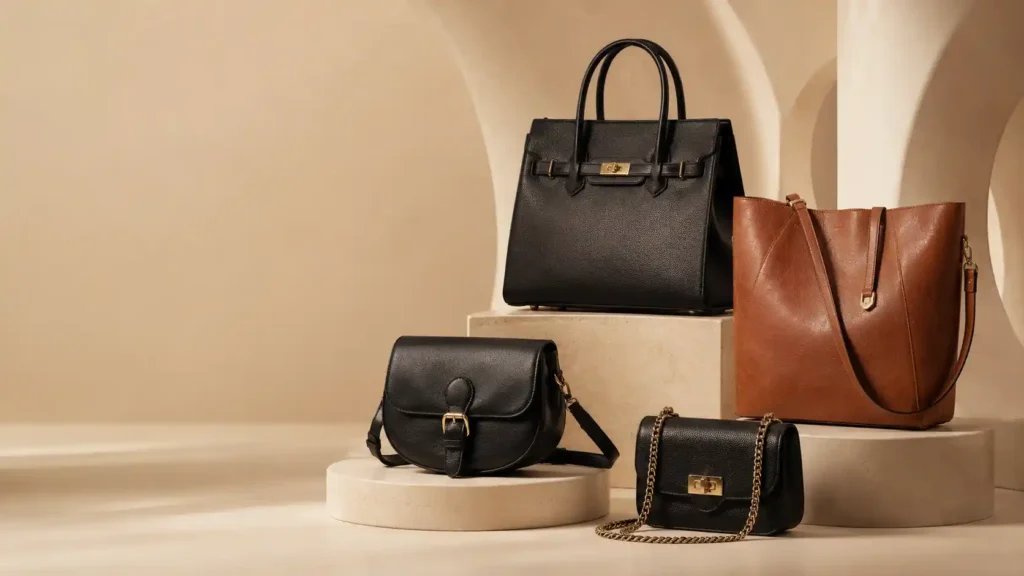
Shopping for a new handbag should feel exciting, not uncertain. With countless products available online, however, it can sometimes be difficult to judge whether a bag is genuinely well made or simply looks impressive in photographs.
If you’re comparing designer handbags, leather bags, or everyday handbags, knowing what to examine can help you make a more informed purchase.
Materials, stitching, construction, hardware, lining, and product information can all reveal useful clues about a bag’s quality. No single test proves authenticity on its own, but looking at these details together can help you separate carefully made handbags from poorly constructed alternatives.
This guide explains what to look for before buying your next bag and how to shop with greater confidence.
Why Handbag Quality Matters
A handbag is one of the most frequently used accessories in many wardrobes.
It may need to carry your phone, wallet, cosmetics, keys, documents, chargers, and other everyday essentials. That means appearance is only part of the equation.
A good handbag should also provide dependable construction, practical storage, comfortable straps, and materials suited to regular use.
When shopping for bags for women, it is worth considering how the bag is made rather than choosing only on colour or style.
Better construction can help a bag retain its shape, support its contents, and remain useful for longer.
Why Very Cheap Imitations Can Cost More Over Time
An unusually low price can be tempting, particularly when two handbags look similar online.
The difference often becomes clearer after regular use.
Poorly constructed bags may develop problems such as:
- Loose stitching
- Peeling surfaces
- Cracked edges
- Broken straps
- Jammed zippers
- Tarnished hardware
- Sagging or distorted shapes
Replacing a poorly made bag several times can eventually cost more than choosing a better constructed product from the beginning.
Price alone does not guarantee quality, but extremely low pricing combined with vague product information should encourage closer inspection.
Start by Checking the Material
Material is one of the first things to examine when comparing handbags.
Leather can vary considerably depending on the hide, finish, tanning process, coating, and manufacturing method. Synthetic materials also vary in quality, so it is important not to rely on a single characteristic.
For example, genuine leather does not always have an obvious grain, and some high quality synthetic materials can closely imitate natural leather.
Instead, consider several characteristics together.
| Feature | Leather | Synthetic or Faux Leather |
|---|---|---|
| Surface | May show natural variation depending on finish | Often more uniform, although modern materials can imitate grain |
| Flexibility | Usually develops natural creasing with use | Behaviour varies depending on material and construction |
| Ageing | Some leather develops character or patina over time | Some synthetic surfaces may eventually peel or crack |
| Edges | May be painted, folded, sealed, or left naturally finished | Can also be painted, folded, or sealed |
| Maintenance | Care requirements vary by leather type | Usually requires different cleaning methods |
Touch and smell can sometimes provide clues, but neither should be treated as proof that a handbag is genuine leather.
The most reliable approach is to read the manufacturer’s material specifications and purchase from a retailer that clearly describes what the product is made from.
If you’re considering an Everyday Tote Bag, for example, check the product description, dimensions, construction, and material details before making your decision.
Examine the Stitching and Construction
Stitching provides useful information about how carefully a handbag has been assembled.
Look for stitches that appear consistent and securely finished along major seams.
Pay particular attention to areas that experience additional stress, including:
- Handle attachment points
- Shoulder strap connections
- Corners
- Base seams
- Zipper areas
- Pocket openings
An occasional small variation does not necessarily mean a handmade product is poor quality. However, numerous loose threads, skipped stitches, exposed glue, or badly misaligned seams can indicate weak construction.
Check the Inside of the Bag
The interior deserves as much attention as the exterior.
Look at how the lining is attached and whether pockets, zipper compartments, and internal seams appear securely constructed.
For larger tote or carryall styles, inspect the base carefully. Bags intended to carry heavier everyday items need sufficient reinforcement around the bottom and handles.
You should also consider whether the internal organisation suits what you actually carry.
A beautiful bag can become frustrating if its compartments are impractical for everyday use.
Examine the Hardware Carefully
Zippers, clasps, buckles, rings, feet, chains, and other fittings contribute to both appearance and functionality.
Rather than assuming heavier hardware automatically means better quality, examine how each component actually performs.
Good hardware should generally:
- Open and close smoothly
- Feel securely attached
- Have an even finish
- Align correctly
- Avoid sharp or unfinished edges
- Suit the weight and structure of the bag
A lightweight fitting is not automatically poor quality, just as heavy hardware is not automatically premium.
Construction and finishing matter more than weight alone.
This is particularly important on styles such as a chain strap shoulder bag, where the hardware is both decorative and functional.
Look closely at how the chain connects to the body of the bag and whether the attachment points appear capable of supporting normal use.
Look at Branding and Product Information
When purchasing an established branded handbag, branding should appear consistent with the manufacturer’s official product information.
Check details such as:
- Logo spelling
- Letter spacing
- Font style
- Hardware engraving
- Labels
- Packaging
- Product codes, where applicable
However, logo placement alone cannot prove authenticity.
Counterfeit products can reproduce logos convincingly, while genuine brands may change packaging, labels, or hardware between collections.
If you’re purchasing an expensive luxury handbag from a third-party seller, compare it with official brand references and consider using a professional authentication service.
For brands selling their own products directly, transparency is especially important. Product pages should clearly explain materials, dimensions, colour, construction, and relevant care information.
Be Careful With Product Photos
Online shopping removes your ability to examine a bag physically before purchasing, so photographs become particularly important.
Look for multiple images showing:
- Front and back
- Side profile
- Interior
- Handles and straps
- Hardware
- Closures
- Material texture
- Overall proportions
Be cautious when a listing contains only one heavily edited photograph or when every image appears to be a generic stock photo.
Clear product photography allows you to examine important construction details before ordering.
Choosing a Bag That Fits Your Lifestyle
Quality matters, but the right handbag also needs to work with your daily routine.
A bag can be beautifully made and still be the wrong choice if it doesn’t provide enough space or isn’t comfortable to carry.
Compact Shoulder Bags
A small or mini black shoulder bag can work well for dinners, social events, and shorter outings.
These styles are best when you only need essentials such as your phone, cards, wallet, and keys.
Crossbody and Mini Chain Bags
A compact crossbody or mini chain bag provides hands-free convenience while maintaining a polished appearance.
These styles can work with both casual and more formal clothing, depending on their shape and finish.
Tote Bags
Totes are generally better suited to people who carry more throughout the day.
Depending on their dimensions, they may accommodate items such as:
- Documents
- Notebooks
- Cosmetics
- Chargers
- Sunglasses
- Water bottles
- Small electronic devices
Always check the product measurements rather than assuming every tote can accommodate a laptop or large documents.
How to Choose a Trustworthy Handbag Store
Where you buy your handbag matters almost as much as the product itself.
A reputable bag store should make it easy to understand what you are purchasing.
Look for clear information about:
- Materials
- Product dimensions
- Pricing
- Delivery
- Returns or exchanges
- Contact information
- Care instructions
Customer reviews can also provide useful information, particularly when shoppers discuss how a product performs after weeks or months of regular use.
Be more cautious when a seller provides vague descriptions, unrealistic discounts, limited contact information, or photographs that appear inconsistent with one another.
Don’t Judge Quality by Price Alone
Expensive does not automatically mean excellent, and affordable does not automatically mean poor quality.
A better approach is to consider value.
Ask yourself:
- What material is being used?
- How is the bag constructed?
- Is the hardware functional?
- Are the straps securely attached?
- Does the size suit my needs?
- Can I use it with several outfits?
- Is the seller transparent about the product?
These questions provide a more useful basis for comparison than price alone.
Caring for Your Handbag
Proper care can help a quality handbag remain attractive for longer.
Store your bag away from prolonged direct sunlight and excessive moisture. When possible, keep it inside a dust bag or soft protective covering.
Avoid overloading the bag because excessive weight can place unnecessary stress on handles, straps, and seams.
Structured handbags can also be lightly filled with clean tissue or another soft material while stored to help retain their shape.
When cleaning leather, always follow the care advice recommended for the specific finish.
Different materials can require very different treatments. Smooth leather, suede, patent finishes, coated leather, and synthetic materials should not automatically be cleaned or conditioned in the same way.
Avoid automatically applying leather conditioner every few months unless the manufacturer recommends it for that particular material.
What to Keep in Mind Before Buying
There is no single shortcut for identifying a quality handbag.
Texture, stitching, hardware, lining, construction, branding, product photography, and seller transparency should all be considered together.
Be cautious of claims suggesting that one simple test, such as smelling the leather or checking the weight of the hardware, can prove whether a handbag is authentic.
For expensive branded designer handbags, professional authentication remains the safest option when authenticity is uncertain.
For everyday leather goods, focus on material transparency, craftsmanship, practical construction, and whether the retailer provides enough information for you to make an informed decision.
When you know what to look for, choosing a handbag becomes easier and you are more likely to find a piece that suits your style and remains useful for years.
Frequently Asked Questions
How can I tell whether a leather handbag is genuine?
Texture, flexibility, and natural surface variation may provide clues, but they cannot confirm authenticity on their own. Check the manufacturer’s material description and purchase from a transparent, reputable retailer.
Does genuine leather always have a particular smell?
No. Leather smell varies depending on tanning, finishing, coatings, storage, and production methods. Smell alone is not a reliable way to determine whether a handbag uses genuine leather.
Are handbags with visible designer logos always authentic?
No. Counterfeit products can reproduce logos and branding. For high value designer handbags, compare the item with official references and consider professional authentication when there is any doubt.
Is it worth paying more for a well-made tote bag?
It can be. A well-constructed tote may provide better durability and everyday value than a cheaper bag that needs frequent replacement. Compare materials and construction rather than price alone.
What should I check when buying a handbag online?
Review product dimensions, materials, interior photographs, seams, closures, hardware, return policies, and customer feedback. Clear and detailed product information is generally a positive sign.
How can I check handbag hardware online?
Examine close-up photographs and customer reviews. Look for consistent finishes, secure attachment points, properly aligned closures, and feedback about how zippers, chains, or clasps perform with regular use.